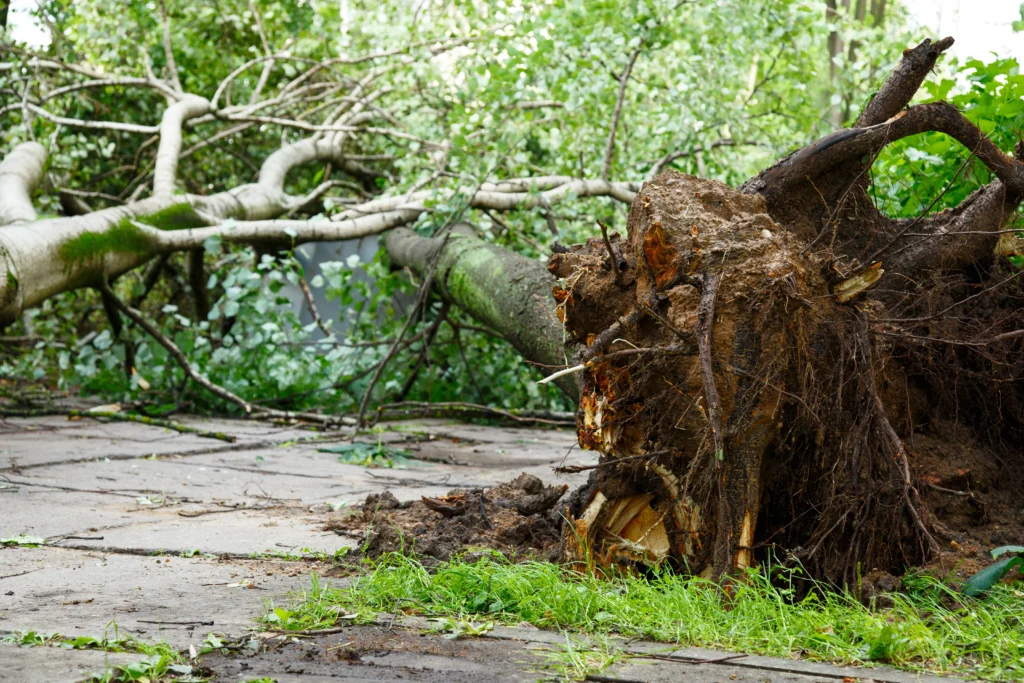
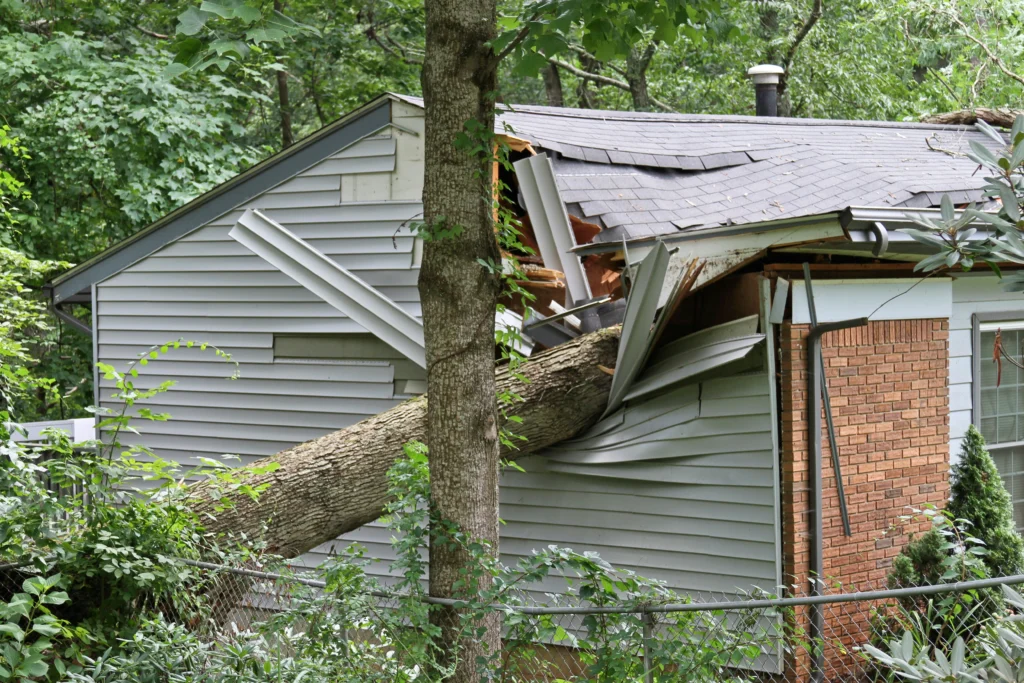
Trees bring beauty, shade, and value to your property—but when one is at risk of falling, it becomes more than just a landscaping issue. A falling tree can pose a serious threat to your property and personal safety, potentially damaging your home, vehicles, or injuring someone nearby. That’s why it’s important to recognize the warning signs that a tree in your Cahokia, IL yard might be unstable or dying. Early detection can help you take preventative action before the situation becomes dangerous.
Visible Leaning or Shifting
A clearly leaning tree is one of the most noticeable signs it could be at risk of falling. While some trees naturally grow at an angle, a sudden change in posture, especially following a storm, can signal root damage or shifting soil. If the lean is accompanied by cracked or heaving ground around the base, it’s a strong indication that the root system has been compromised.
Cracks or Splits in the Trunk
Inspect the trunk for deep cracks, splits, or holes. These issues can compromise the tree’s stability, leaving it more likely to break during strong winds or severe weather in Cahokia, IL. Large cavities or hollow areas in the trunk may also indicate internal decay—even if the tree still has green leaves.
Dead or Falling Branches
If large branches are breaking off or sections of the tree are bare and lifeless, the tree might be in decline. Trees tend to shed limbs as a way of conserving energy when under stress. Dead branches are also more likely to fall unexpectedly, posing a safety hazard even if the trunk appears stable.
Root Damage or Fungal Growth
The roots are the tree’s foundation. If they’re damaged, diseased, or rotting, the whole structure becomes unstable. Look for signs like mushrooms or fungal growth around the base—these often indicate decay beneath the surface. Exposed or damaged roots, especially after construction or landscaping work, can also weaken the tree’s stability.
Sudden Leaf Drop or Sparse Canopy
A tree that loses its leaves out of season or has a thinning canopy could be experiencing stress or disease. Poor foliage coverage, especially when compared to neighboring trees of the same species, may suggest internal problems affecting the tree’s health and stability.
Storm Damage or Lightning Strikes
Trees that have been hit by lightning or suffered severe storm damage are more likely to fall. Even if the tree survives the initial hit, the structural integrity may be weakened. Cracks, burns, or missing bark are common signs of a lightning strike.
Insect Infestation
Pest infestations can cause significant internal damage over time. Borers, termites, or carpenter ants may hollow out the inside of a tree, leaving it structurally weak. Small exit holes, sawdust-like material around the base, or visible insect activity are all red flags.
Call Merritt’s Tree Service today if you need a tree removed that is about to fall in your Cahokia, IL yard.